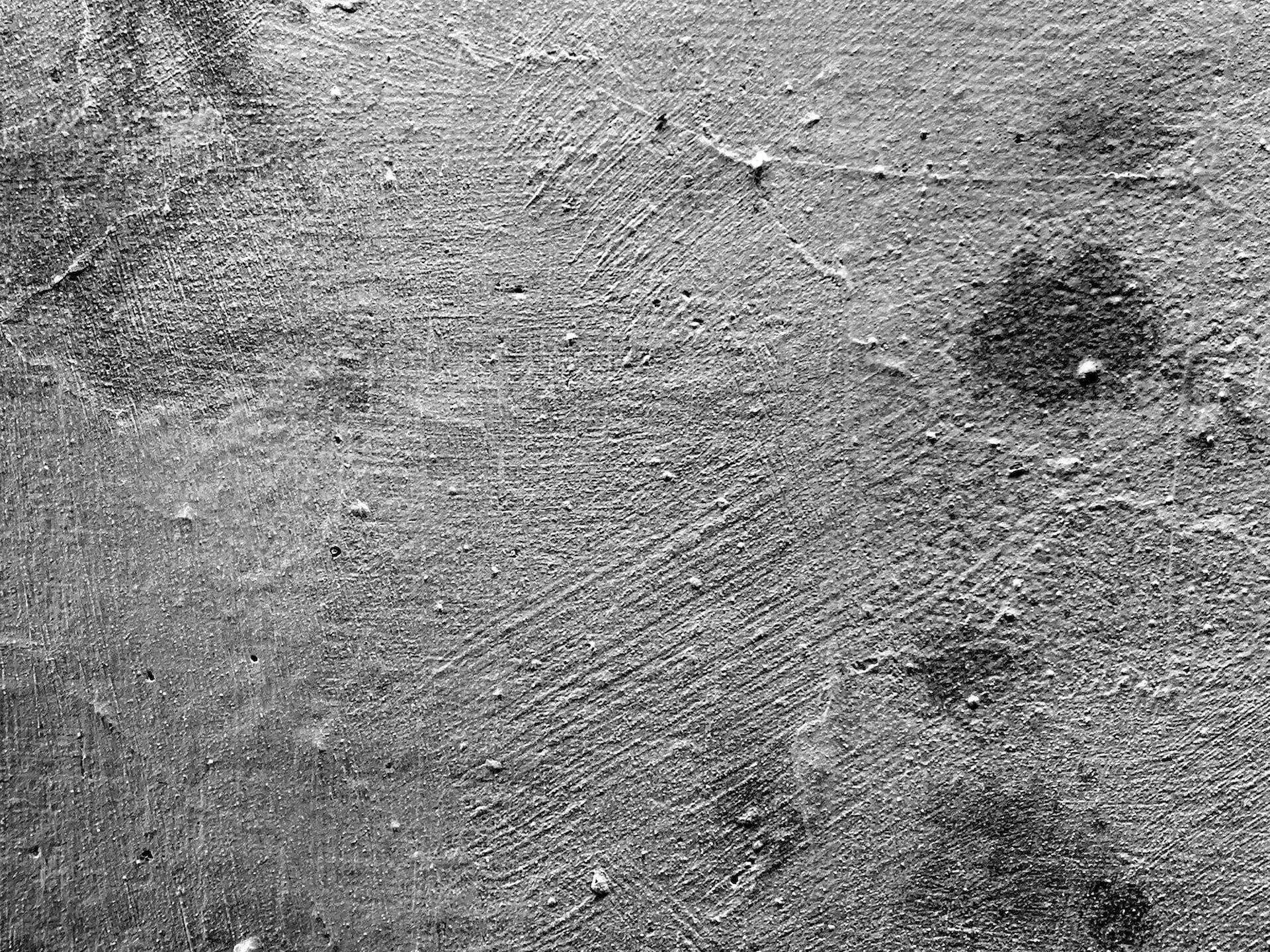
Black spots on plaster walls are more than just an eyesore. They can build up over time and slowly eat away at your wall surface. Whether you manage an office building, own a storefront, or live in a home in the Northern San Francisco Bay Area, these dark patches tend to appear when moisture sticks around too long. Not only are the spots ugly to look at, but they can also be a sign of something deeper going wrong behind the wall. That’s where things can get costly. Acting early makes a big difference.rnrnThis problem doesn’t target just one type of structure. Both residential and commercial buildings with concrete and plaster walls are at risk. That’s especially true around spring when moisture from the rainy season meets warmer temperatures, creating ideal conditions for mold and mildew. If you’ve noticed new spots or discoloration on your walls lately, now’s a good time to learn what might be causing it and what steps can be taken to fix it before the damage gets worse.rn## Common Causes of Black Spots rnBlack spots on plaster walls usually don’t show up overnight. They build slowly and often start in hidden or hard-to-reach places. Figuring out the source helps prevent the issue from getting worse down the line, especially in larger properties like offices or retail buildings that might be closed after hours or not monitored daily. Here are the most common causes.rn### 1. Mold and Mildew Growth rnMoisture is the perfect fuel for mold and mildew. Plaster walls soak up moisture from the air, especially indoors where there’s not much air movement. Add in coastal fog or leftover rain from winter, and the recipe for mold is ready to go.rnrnWhat does it look like? Often, black mold appears in clusters, small circles that slowly widen across the wall. It tends to form near ceilings, behind furniture, or in corners where the wall doesn’t get much light or airflow. Once it shows up, it spreads fast if the moisture stays trapped.rn### 2. Water Damage rnLeaky pipes, broken gutters, and cracked tiles can all allow water to sneak into your walls. Once it’s in, water doesn’t just vanish. It seeps into the plaster or concrete surface and sits there. Over time, this triggers black spots that keep reappearing no matter how often you clean them.rnrnIn commercial buildings, a small leak in a utility closet or behind breakroom walls can go unnoticed for months. By the time spots appear on the surface, the inside of the wall may already need serious work.rn### 3. Poor Ventilation rnThe Northern San Francisco Bay Area gets cool, damp mornings that linger well into spring. Buildings without strong ventilation draw in moisture and then trap it. Rooms like laundry areas, basements, or even office restrooms without proper vent fans can all become moisture pockets.rnrnHere’s what happens:rnrn- Moisture rises during the day as air warms uprn- It gets trapped in rooms with poor airflowrn- Plaster walls absorb that humidityrn- Black mold starts forming in those moist wall sectionsrnrnIn commercial spaces, HVAC systems that are too old or not balanced properly can cause these airflow issues. Simple upgrades like repairing vents or balancing the air system may reduce long-term damage.rnrnThese causes might start off small, but left unaddressed, they can lead to peeling paint, crumbling walls, and even health issues for people in the building. Taking early action saves money later. Next, it helps to look into the most effective ways to fix the problem once you’ve spotted it.rn## Effective Solutions for Addressing Black Spots rnOnce black spots have started to form on plaster or concrete walls, cleaning the surface isn’t always enough. The underlying cause often continues spreading unless it’s properly handled. Whether managing a commercial property or maintaining your home, timely action and the right solutions make a difference.rnrnProfessional cleaning can remove surface mold, but it needs to be done carefully. Specialized crews often use commercial-grade cleaning agents that kill mold at the root. These are stronger than household sprays and less likely to damage the wall texture. These pros wear protective gear and isolate the affected area to avoid scattering mold spores into clean spaces.rnrnRepairing water-damaged plaster is another key step. If the wall has started to bubble, flake, or discolor beyond the surface spots, it’s a sign of long-term exposure. This usually calls for cutting back the damaged area and applying new plaster. Before rebuilding, leaks need to be fully traced and sealed. In commercial setups, especially ones with shared walls or older plumbing systems, this process helps stop repeat issues.rnrnWhen black spots result from poor airflow, improving ventilation and reducing humidity can help long term. A few options to explore:rnrn- Have HVAC systems inspected and serviced regularlyrn- Install or upgrade vent fans in restrooms, kitchens, and utility spacesrn- Use dehumidifiers during damp months, especially from late winter through springrn- Avoid blocking air vents behind furniture or curtainsrn- Keep windows lightly cracked on dry days to let moisture escapernrnSmall changes in airflow can go a long way toward stopping future outbreaks of mold.rn## Preventative Measures to Avoid Future Problems rnA one-time fix may solve today’s issue, but real protection comes from prevention. For property owners around the Northern San Francisco Bay Area, routine checks and early maintenance offer peace of mind, especially going into the warmer months when moisture buildup tends to sit longer indoors.rnrnDoing regular inspections helps spot trouble before it becomes a bigger problem. Walk the property every month or two and check for early warning signs like damp odors, tiny black specks forming on corners, or soft spots in the wall. Commercial buildings should schedule quarterly checks that include interior walls, plumbing areas, window seals, and less-used rooms where moisture may go unnoticed.rnrnWaterproofing is another step that adds long-term strength to your wall systems. Applying a waterproof barrier to the outside of plaster and concrete walls blocks moisture from getting in at all. This is useful for both homes and larger properties exposed to wind-driven rain, like corner retail buildings or open-air complexes. Waterproofing isn’t just for high-risk buildings. It’s a good investment anywhere moisture control matters.rnrnTo keep walls dry year-round, environmental controls make a significant impact. For example, having automated venting systems in place can help manage indoor moisture levels without needing constant adjustment. In spring, when humidity rises and nights are cool, it doesn’t take much trapped moisture to trigger mold. Strong ventilation keeps air moving and helps dry out pockets where water might collect.rn## Keep Your Walls Spot-Free with Professional Help rnOnce black spots show up on your plaster or concrete walls, action needs to be quick and deliberate. The issue rarely stays surface-level for long. Whether your building serves customers each day or your home is your weekend escape, clean walls mean more than just better looks, they mean a safer, healthier indoor space.rnrnStaying ahead of mold, water intrusion, and airflow problems starts with understanding how these issues form and what weak spots to watch. From preventive systems to full wall repairs, keeping plaster and concrete strong doesn’t have to be difficult when the right team is involved. For any upcoming projects, especially those with waterproofing needs, it’s helpful to have a single point of contact who gets it done right the first time.rnrnWhether dealing with mold or addressing water issues, effective solutions start with understanding the problem and applying the right fix. If you’re looking to protect and maintain your property, it’s time to take proactive measures. At One Stop Plastering, our new waterproofing service ensures that your structures remain durable and moisture-free. Don’t wait for issues to worsen; explore how our team can help safeguard your building through every season with expert work on concrete and plaster walls.
← Journal
What Causes Black Spots on Plaster Walls and How to Address Them
Stop moisture damage before it spreads with help from waterproofing service that protects concrete and plaster walls all year round. Read on!