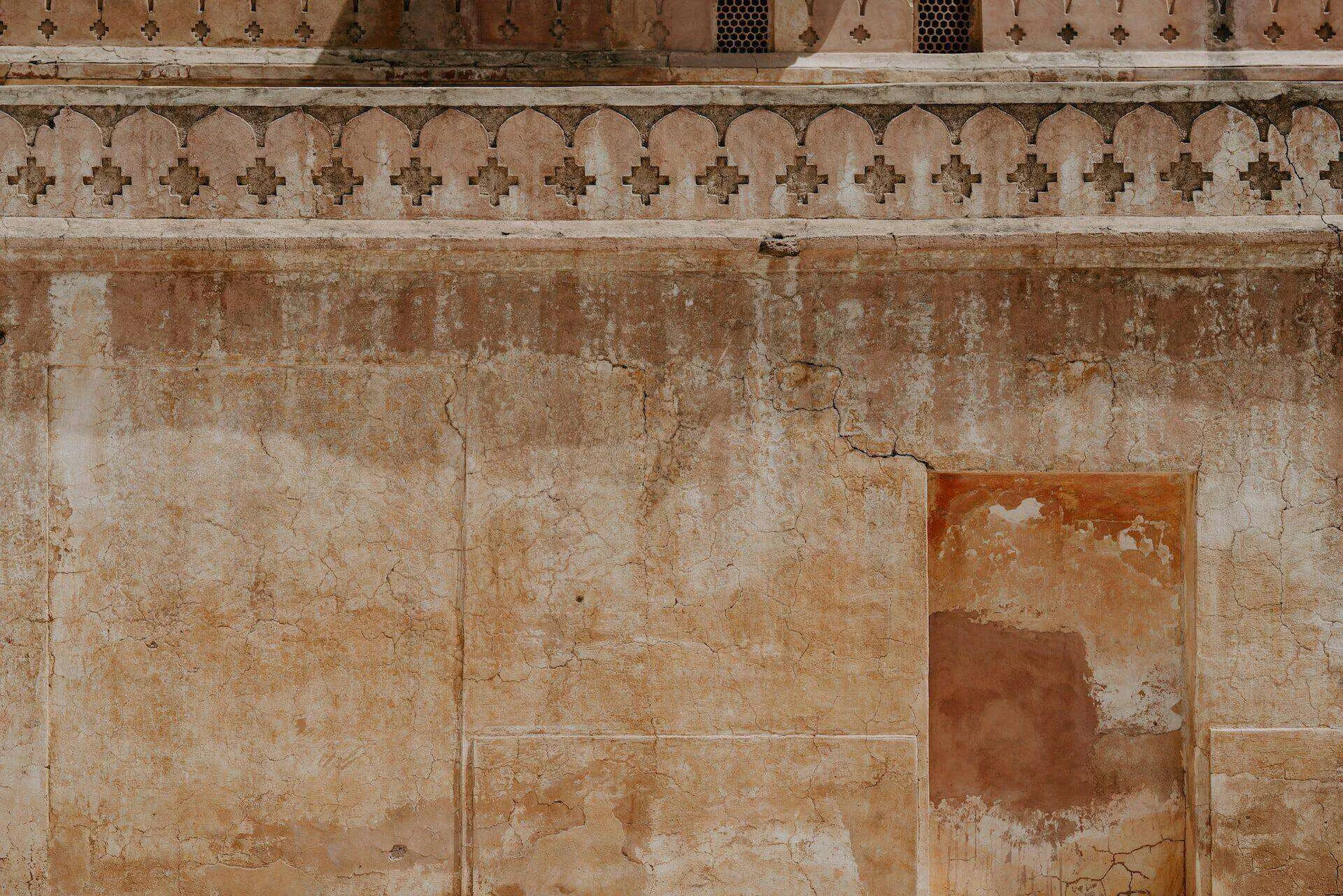
The weather in the Northern San Francisco Bay Area can be a little tricky when it comes to protecting building exteriors. One moment, itâs cool and foggy; the next, the sunâs out and warming everything up. Thereâs a regular pattern of damp mornings, salty coastal air, and quick shifts in temperature. Over time, this kind of climate can wear down walls that arenât built or maintained to handle it.rnrnHomes and buildings in this region take a beating over the years. It doesnât take a major storm for damage to show up. Stucco and plaster, if not cared for properly, can develop problems that start small but grow quickly. Thatâs why it matters to understand how the local weather works and why it takes a toll on exterior wall coatings so consistently.rn## Effects of Weather on Exterior Wall Coatings rnOne of the biggest long-term issues for exterior wall finishes happens when dry days are followed by damp ones. That moisture creeps into small cracks or unsealed areas and just sits there. Since stucco is naturally porous, it can absorb moisture like a sponge. The Northern Bay Area has no lack of fog or mist, and every time that moisture rolls in, it finds its way into weak spots around a buildingâs exterior.rnrnThen there are temperature swings. These donât always seem like a big deal in a region where summer and winter are both pretty mild, but buildings can still see large changes from daytime highs to cooler nights. That causes expansion and contraction in stucco coatings. Over time, especially in older buildings, this cycle stretches and eventually breaks down the surface, leading to fine cracks and surface damage.rnrnAnd donât forget the salt air that moves inland from the coast. It might feel fresh when you’re standing outside, but all that salt sticks to surfaces, slowly chipping away at coatings and finishes. Combined with fog or rain, it speeds up the erosion process. If the surface seal fails or becomes too thin, salt and moisture will get into plaster or stucco layers and start causing internal damage.rnrnCommercial buildings are especially at risk because they tend to have more extensive exterior facades, more exposure to the elements, and more wear and tear overall. A surface crack in a residential patio might remain unnoticed. But the same issue on a large storefront wall can lead to structural staining, interior leaks, or even sections of crumbling material if ignored.rn## Common Weather-Related Stucco Issues rnWeather-related damage doesn’t always show up overnight. But once it starts, it can spread quickly across wall surfaces. Here are some of the most common signs that stucco is having trouble handling local weather:rnrn**- Cracks:** These usually show up first. At first, theyâre just hairline width, but over time they widen, branch off, and start pulling apart at corners or near joints.rn**- Discoloration:** Water spots, damp patches, or streaky areas that look darker after foggy mornings or light rain showers mean moisture is getting in and isnât escaping.rn**- Surface erosion:** Stucco that looks patchy, almost sandy to the touch, may be breaking down because of constant exposure to salt or unsealed surfaces.rn**- Bubbling or flaking:** Trapped moisture might cause the surface to lift and peel away from the wall underneath. These areas are weak points where water and air can enter more freely.rn**- Mold or mildew:** When stucco stays wet for too long, especially in shaded or poorly ventilated spots, the surface becomes a perfect place for mildew or mold to grow.rnrnThese arenât just cosmetic issues. Left untreated, they turn into larger repairs. Water that sneaks in through a stucco wall can affect framing, insulation, and interior walls. Fixing that after the fact is a lot more expensive than protecting it early on.rnrnIf you manage a commercial property or own a large building with stucco features, checking these areas seasonally helps catch trouble before it spreads too far. For homes, itâs easy to overlook cracks in out-of-reach places or around back walls. But spotting signs early, even just once a year, can go a long way in keeping structures sound.rn## Solutions for Weather-Resistant Stucco rnBuilding owners in the Northern San Francisco Bay Area donât have much control over the coastal fog or temperature swings, but they can protect their buildings with the right exterior prep and care. That starts with using materials and techniques that are made to handle local weather conditions. When done right, these methods stop moisture from getting in and reduce how often repairs are needed.rnrnSealing and waterproofing are two of the most effective ways to guard stucco against rain, fog, and salty air. High-quality sealants create a barrier that helps reduce water absorption, while still letting the wall breathe. That breathable layer matters, especially for structures that deal with wet mornings followed by dry, warm afternoons. Fully waterproof systems, when applied by professionals, go a step further. They keep water out completely and help surfaces resist mold growth, staining, and breaking down from salt deposits.rnrnProfessional exterior stucco repairs become necessary when cracks, erosion, or flaking start to show. These problems may seem small at first but tend to grow under continued exposure. Filling cracks isnât just for looks. Open gaps welcome more water into the wall system, which can lead to extensive interior damage later on.rnrnHere are the key benefits of using the right repair and protection methods:rnrn- Keep water and moisture outside where they belongrn- Increase the life of stucco finishes and reduce frequent patch-upsrn- Improve building appearance by replacing stained or broken sectionsrn- Boost energy efficiency by sealing air leaks around wall surfacesrn- Protect underlying structure and insulation from water penetrationrnrnFor commercial property managers, staying ahead of exterior damage can preserve both curb appeal and structural stability. Whether itâs a large apartment complex or a single storefront, consistent exterior maintenance can prevent bigger issues that shut down business operations or require major wall replacements.rn## The Importance of Professional Exterior Stucco Repairs rnGetting stucco repaired by someone who knows the local conditions can make a huge difference. Itâs not always about patching whatâs there. Sometimes, the wall underneath is part of the problem. A contractor who has worked with stucco across the Bay Area knows how moisture behaves in different parts of a building, whether itâs a north-facing restaurant wall that stays wet longer or a south-facing office entrance hit with afternoon sun.rnrnProfessional inspections can reveal what might not be visible right awayâsmall areas of lifted stucco, moisture beyond the surface, or discolored patches spreading under the finish coat. These signs usually point to breakdowns in waterproof layers or improper sealing. Getting those areas repaired by someone with the right tools and product knowledge is always a safer approach than covering up the surface cracks without addressing whatâs underneath.rnrnFor commercial sites especially, having one team handle all exterior stucco repairs helps things run smoothly. Instead of managing multiple subcontractors, building owners and general contractors get a single point of contact. That simplifies scheduling, accountability, and quality control.rnrnOne real-world example: a business park in South San Francisco had newer windows installed, but the surrounding stucco began flaking within a year. Turned out the older sealant wasnât compatible with the new construction. The repair team had to remove the failing areas, install a new waterproof barrier, and refinish the surface using a weather-appropriate coating. Since then, the building’s exterior has remained clean and intact, with no signs of moisture issues.rnrnHaving someone local, skilled, and experienced with both commercial and residential stucco work makes it easier to maintain a strong outer shell on any building without wasting time on trial and error.rn## Keep Your Building Strong and Beautiful rnEvery season brings a different set of challenges for exterior walls. In the Northern Bay Area, the constant blend of coastal dampness and salty air works year-round to break down surfaces. But that doesnât mean damage is guaranteed. With regular check-ups and proper repair techniques, stucco finishes can hold up for many years without needing full replacements.rnrnWhether you’re managing a large commercial structure or taking care of your own home, paying attention to your wall’s condition and addressing small issues early can stop problems from spreading. Good exterior maintenance means more than patching cracks. Itâs about protecting whatâs underneath, preventing water from creeping in, and giving your building the strength to stand up to the elements.rnrnIf itâs been a while since your building had a full checkup, or if youâve spotted areas that seem worn or weathered, nowâs a good time to act. Don’t wait until the damage spreads deeper beneath the surface. Reliable waterproofing and timely exterior stucco repairs are key parts of keeping your building dry, clean, and looking its best through every season.rnrnTo keep your stucco strong and your property looking its best in the Northern San Francisco Bay Area, consistent care makes a difference. Take a closer look at how our exterior stucco repairs can help protect and maintain your building. Whether you’re dealing with wear and tear or planning ahead with waterproofing, One Stop Plastering is here to make the process smoother from start to finish.
← Journal
San Francisco Weather Impact on Exterior Wall Coatings
Learn how San Francisco's climate affects stucco. Explore solutions for weather-related issues and ensure the durability of your exterior wall coatings.