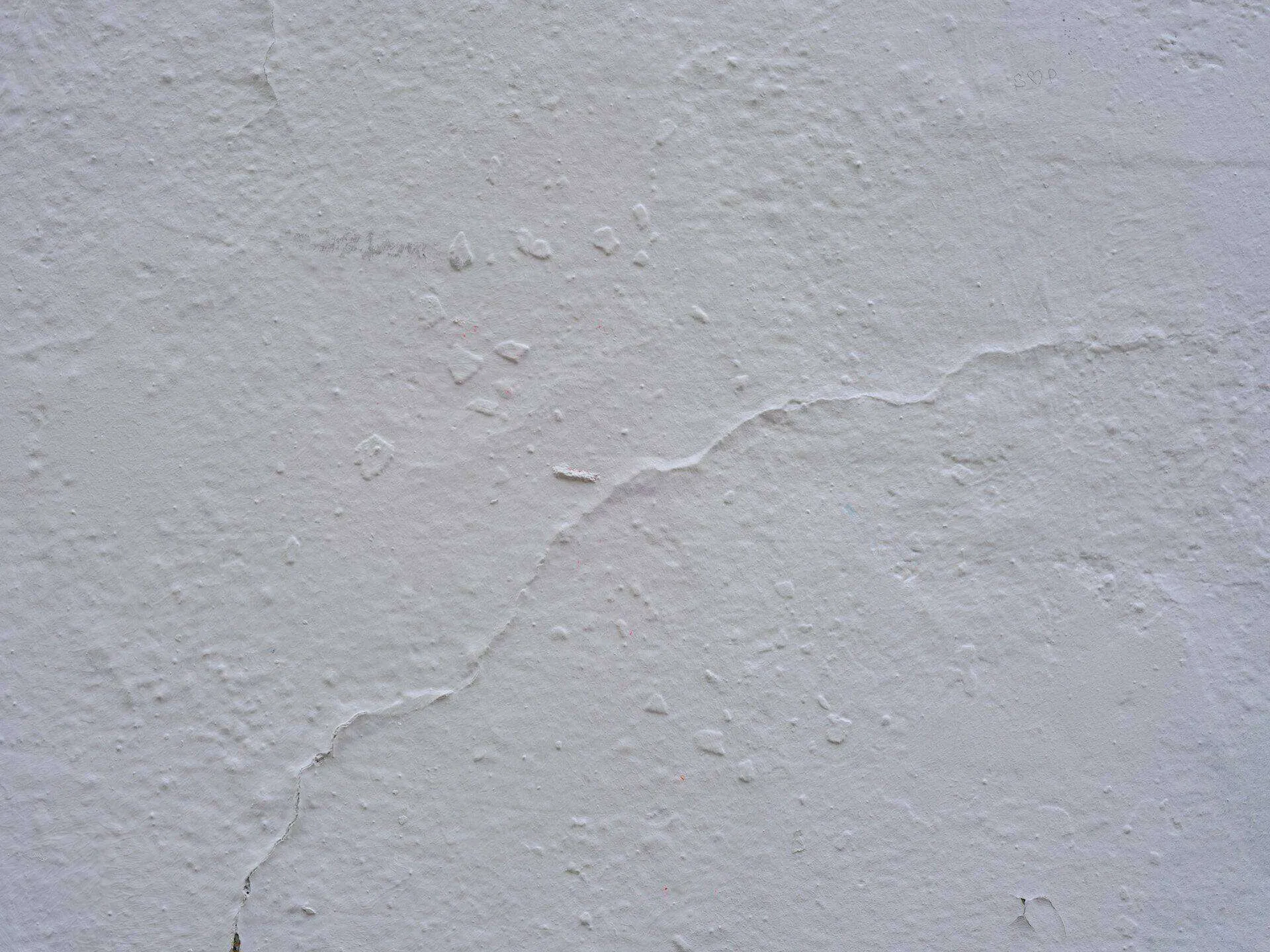
Commercial buildings are built to last, but theyâre not immune to wear and tear. One of the more common signs that somethingâs shifting or settling is the appearance of cracks. These cracks aren’t always a major problem at first glance, but they can hint at deeper issues that get worse over time. Left unchecked, settlement cracks can mess with the way a building looks and even weaken its structure.rnrnIn places like the Northern San Francisco Bay Area, changing temperatures and moisture levels in the soil can make these cracks show up faster. The weather here can be unpredictable, and as the ground shifts from season to season, so do the buildings that sit on it. For business owners and property managers, spotting and fixing settlement cracks early can save time, money, and a whole lot of stress in the long run.rn## Causes of Settlement Cracks rnThe first step to keeping cracks under control is knowing what causes them. Commercial buildings handle a lot from foot traffic and heavy equipment to the natural shifting of the Earth underneath. Over time, these things slowly take a toll. Sometimes the cracks happen quickly, especially after a dry season or heavy rainfall. Other times, itâs a slow build-up that catches people off guard.rnrnHere are a few common reasons why settlement cracks form:rnrn1. Soil shifting or settling â After a new building is put up, the land it sits on can still move. If the ground underneath wasnât compacted properly or includes different types of soil, it starts to settle unevenly. That uneven movement shows up as surface cracks.rnrn2. Water intrusion â In the Bay Area, rains can seep into the ground and make the soil expand, especially if itâs clay. Then, when it dries out, the soil contracts again. This back-and-forth motion stresses the structure and often results in cracking.rnrn3. Poor drainage â If a building doesn’t have proper drainage, water gathers around the foundation. This leads to pressure changes underground and can cause cracks to form over time.rnrn4. Design or construction flaws â Skipping steps during construction or using the wrong materials can cause long-term problems. Things like weak foundations or low-grade support materials might not be strong enough to handle natural shifts.rnrnEvery building has its own story. But recognizing these patterns can make it easier to stop damage before it gets out of hand. For example, if a business operates in an older concrete building near the Bay and sees cracks just above the floor line, it could be due to heavy rain and water collecting near the base. That might signal foundation concerns that should be addressed.rn## Identifying Settlement Cracks rnNot all cracks are the same. Some are surface-only and come from everyday wear, while others indicate deeper issues. Being able to tell the difference helps property managers understand when itâs time to get help.rnrnLook out for:rnrn**- Thin, shallow cracks:** These are usually minor and show up in plaster or paint. They may just result from normal aging or small seasonal changes.rnrn**- Wide or deep cracks:** If you can insert a coin or pencil into the crack, it’s time for an inspection. These might signal foundation or structural trouble.rnrn**- Cracks near windows or doors:** These areas move more due to how buildings are framed. Repeated cracks in these spots may require a deeper look at the structure below.rnrn**- Diagonal cracks:** Cracks that stretch diagonally from windows or door corners are often signs of shifting in the structure.rnrnCracks that grow quickly should be taken seriously. You might notice one in June and by August it’s double in size. That typically means something is still moving underneath the surface and ignoring it wonât make it go away.rnrnKnowing which cracks matter and which ones donât can help avoid unnecessary costs, but if thereâs any uncertainty, itâs better to have it checked by a professional right away.rn## Repairing Settlement Cracks rnFixing settlement cracks starts with finding out how serious they are. Not every crack needs a huge overhaul, but skipping a solid inspection might lead to bigger repairs down the road. A proper repair usually starts with checking the foundation, reviewing drainage, and identifying what caused the crack.rnrnOnce a professional evaluates the crack, the repair process generally includes these steps:rnrn1. Surface cleaning: The wall area has to be cleaned before doing any repair. Dust, loose bits, and old paint are removed so that new materials can stick properly.rnrn2. Crack widening and prepping: Hairline cracks are slightly widened to create space for filler. Bigger cracks often need reinforcing mesh, especially on large commercial surfaces.rnrn3. Filling and bonding: Professional-grade bonding agents and durable plaster materials are applied. These are flexible enough to move with the building as conditions change.rnrn4. Resurfacing or finishing: The wall is smoothed and blended to match the existing surface. This is especially important in retail or office buildings where presentation matters.rnrn5. Drying and inspection: Each repair layer needs time to settle and dry fully. A good team will return to inspect the area once everything is done to confirm the fix holds up.rnrnIf the same area keeps cracking, it may mean that drainage or surrounding soil issues havenât been fixed. Reapplying patch over and over wonât help long-term. Addressing the entire problem is the smarter choice, especially for commercial properties that face more daily demands than residential spaces.rn## Why Commercial Buildings Need Skilled Plastering Services rnCommercial buildings often face more stress than homes. The traffic, equipment, and exposure to elements all take a toll. The unique climate in the Northern San Francisco Bay Area makes things more complicated, especially where moisture is involved.rnrnProfessional plastering services donât just improve the look of the building. They look for root causes, not just the surface damage. Commercial projects can get complex, with layered materials, exposed utilities, or shared spaces. That means the approach needs to match the building’s use and design, and thatâs something trained crews understand.rnrnMaterials matter too. Many commercial buildings are older, and the finishes from years back may not be compatible with todayâs plaster systems. Matching these and applying them correctly takes training and an eye for detail. On top of that, businesses often canât afford to redo repairs every year, so quality and durability really matter.rnrnThen thereâs water. In coastal areas or where fog and rain are common, moisture can seep into walls over time. That leads to mold, crumbling plaster, or more cracks. Waterproofing helps stop that from happening. After repairs are made, applying a waterproof layer adds another line of defense and helps keep things strong through wet seasons and humid cycles.rn## Protect Your Commercial Property from Settlement Cracks rnSettlement cracks donât always start out big, but that doesnât mean theyâre harmless. In commercial spaces, something small can quickly become a larger issue. More than just affecting how things look, cracks can hurt resale value, lead to inspection headaches, or make tenants uneasy.rnrnHandling cracks right away helps protect the buildingâs structure, inside and out. Whether they come from shifting ground, water problems, or old materials, these cracks hint at whatâs going on behind the scenes. Addressing them early means fewer unexpected costs later.rnrnBuildings across the Northern San Francisco Bay Area come in all shapes, sizes, and ages. Thatâs why the approach to tackling cracks should fit each situation. Itâs not just about patching a line in the wall. Itâs about looking ahead, using the right solutions, and stopping future damage before it starts.rnrnRegular inspections, skilled plastering, and added waterproofing go a long way in keeping commercial spaces looking clean and staying safe. With the right care, those walls will keep standing strong for years to come.rnrnTo keep your commercial space looking its best and protected from long-term damage, think about the advantages of professional commercial plastering in the Northern San Francisco Bay Area. One Stop Plastering provides reliable solutions for both repair and waterproofing, making it easy for contractors to work with one team for every exterior issue. Reach out today to learn more about how we can help protect your property and now waterproof your home too.
← Journal
Addressing Settlement Cracks in Commercial Buildings
Discover the impact of settlement cracks on commercial buildings and how professional commercial plastering services can ensure long-term protection.